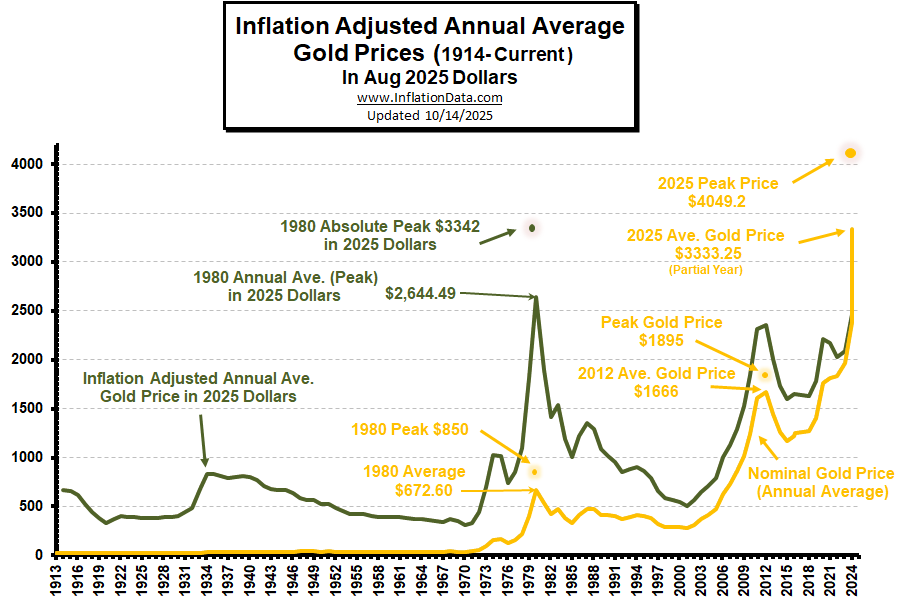
Decoding Gold Prices: Inflation, Geopolitics & Central Bank Demand
Gold has long held a unique position in global finance, revered as both a store of value and a safe-haven asset. Its price movements, however, are rarely straightforward, influenced by a complex interplay of macroeconomic forces, geopolitical shifts, and the strategic decisions of central banks and investors worldwide. Many investors are currently asking:
что с золотом? What factors are truly driving its current value, and where might it be headed in the coming years? This article delves into the core elements shaping gold's destiny, offering insights into its recent performance and future trajectory.
Key Drivers Shaping Gold's Value
Understanding gold's price dynamics requires a holistic view of the global economic and political landscape. Several fundamental factors consistently influence its appeal and market value.
Inflation and Monetary Policy
One of gold's most historically celebrated attributes is its role as a hedge against inflation. When inflation rises, the purchasing power of fiat currencies erodes, leading investors to seek refuge in tangible assets like gold. This dynamic is closely tied to the monetary policies of central banks, particularly the U.S. Federal Reserve.
*
Interest Rates: Lower interest rates tend to make non-yielding assets like gold more attractive, as the opportunity cost of holding gold (compared to interest-bearing bonds or savings) decreases. Conversely, rising rates can diminish gold's appeal.
*
Dollar Strength: Gold is primarily denominated in U.S. dollars. A weakening dollar makes gold relatively cheaper for holders of other currencies, typically increasing demand and pushing prices up. Conversely, a strengthening dollar often puts downward pressure on gold prices.
*
Confidence in Fiat Currencies: Persistent inflation or unconventional monetary policies can erode public trust in traditional currencies, pushing more capital into gold as a perceived stable store of wealth.
Central Bank and Investor Demand
The demand side for gold is bifurcated, with significant influence from both institutional players and individual investors.
*
Central Bank Purchases: In recent years, central banks, particularly those in emerging markets, have been significant buyers of gold. Their motivations often include diversifying national reserves away from the U.S. dollar, enhancing financial stability, and gaining geopolitical independence. These sustained purchases provide a strong floor for gold prices.
*
Institutional Investors: Major investment funds, pension funds, and wealth managers often allocate a portion of their portfolios to gold as a protective asset during periods of market volatility or economic uncertainty. Gold-backed Exchange Traded Funds (ETFs) offer a liquid way for both institutional and retail investors to gain exposure to gold price movements without holding the physical metal.
*
Retail Demand: Individual investors buy gold for various reasons, including cultural significance, perceived safety, and speculative profit. The advent of digital currencies and their potential impact, such as Central Bank Digital Currencies (CBDCs), also introduces new considerations for how traditional safe havens might evolve. While CBDCs aim to digitize fiat, their long-term implications for gold's role as a counter-fiat asset remain an area of ongoing debate and observation.
Geopolitical Instability and Global Crises
Gold's reputation as a "safe haven" truly shines during times of global turmoil. Political tensions, military conflicts, trade wars, and economic sanctions can trigger rapid surges in demand for gold.
*
Conflict Zones: Events in regions like the Middle East or broader geopolitical rivalries often lead investors to seek the perceived safety of gold, driving up its price.
*
Trade Wars and Sanctions: Economic disputes, such as tariffs between major powers or sanctions imposed on key trading nations, can disrupt global supply chains and financial markets, further fueling safe-haven buying. The impact of such measures on gold trade between affected nations can also create unique market dynamics.
*
Financial Crises and Recessions: During periods of market crashes or looming economic recessions, gold often acts as a reliable hedge against asset devaluation, offering a degree of stability when other investments falter.
Financial Markets and Speculative Activity
Beyond the fundamental drivers, the financial markets themselves contribute to gold's short-term volatility and price discovery.
*
ETF Flows: Significant inflows into or outflows from gold-backed ETFs can exert considerable pressure on prices, reflecting shifts in broader investor sentiment.
*
Futures Trading: Commodity exchanges see a high volume of speculative trading in gold futures contracts. These short-term bets by traders can amplify price movements and contribute to daily volatility, often driven by technical analysis rather than long-term fundamentals.
*
Global Investment Climate: The overall economic health and investment sentiment in major economies like the U.S., Europe, and China can dictate the appetite for risk, which in turn impacts the demand for safe-haven assets like gold.
Recent Market Dynamics and What's Happening Now
As of early February 2026, the gold market presents a fascinating mix of influences. On February 2, 2026, the spot price for gold hovered around $4,754.51 per troy ounce, with futures for April delivery trading slightly higher at approximately $4,777.70 per ounce. Data from TradingEconomics reported the spot price at $4,726.79 per ounce, highlighting the slight variances across different platforms.
Several factors are currently shaping these figures:
*
Strengthening Dollar & Margin Requirements: A robust U.S. dollar, alongside increased margin requirements by the CME Group (a major derivatives marketplace), has exerted downward pressure on precious metal prices. This suggests that the cost of trading gold is higher, and the dollar's strength makes gold comparatively more expensive for international buyers.
*
Conflicting Geopolitical Signals: A perceived slowing of geopolitical tensions, coupled with a postponement of U.S. tariffs, has paradoxically reduced some of the immediate safe-haven demand for gold. However, underlying geopolitical uncertainties, such as potential BRICS tariffs or persistent Middle East conflicts, continue to fuel a baseline level of protective buying.
*
U.S. Labor Market Resilience: A strong U.S. labor market, without clear signals of imminent interest rate cuts from the Federal Reserve, implies less urgency for investors to flock to gold in anticipation of lower yields on other assets. This macroeconomic stability can temper gold's immediate upside potential.
Expert Outlook and Future Projections
For those wondering
что с золотом in the medium to long term, expert forecasts offer valuable, albeit varied, perspectives. Financial institutions like Goldman Sachs, J.P. Morgan, and HSBC have provided their projections for gold prices, reflecting diverse interpretations of the underlying market drivers. For a more detailed look at the near-term outlook, you can explore
Gold Price 2026: Expert Forecasts and Key Market Drivers.
*
Goldman Sachs: Projects gold prices to reach approximately $5,400 per ounce by the end of 2026, an upward revision from their previous $4,900 forecast. Their optimism stems from anticipated strong demand from the private sector and central banks in developing nations, alongside expectations of increased Western ETF positions once the Fed begins cutting interest rates.
*
J.P. Morgan: Holds an even more bullish view, forecasting up to $6,300 per ounce by the end of 2026. This projection is underpinned by an expected sustained demand from central banks, with an estimated 800 tonnes of gold purchases in 2026, coupled with consistent investor interest.
*
HSBC: Presents a more conservative outlook, predicting $4,450 per ounce by the close of 2026, with a potential trading range between $3,950 and $5,050 and an average estimate of $4,587. HSBC’s forecast emphasizes the influence of ongoing geopolitical risks, suggesting a more cautious approach.
These differing forecasts highlight the complexity of the gold market, where various experts prioritize different influencing factors. For a comprehensive look at the longer-term horizon, beyond just 2026, delve into
Gold Forecast 2026-2050: Long-Term Outlook and Expert Analysis.
Navigating the Gold Market: Practical Insights for Investors
Investing in gold is not a one-size-fits-all strategy. Here are some practical insights for those looking to engage with this valuable metal:
*
Diversification is Key: Gold can act as a crucial diversifier in a balanced portfolio, especially during periods when traditional assets like stocks and bonds may be under pressure. It often exhibits a low correlation with other asset classes, offering a potential hedge.
*
Long-Term Perspective: While short-term volatility exists, gold's true value often emerges over the long term, particularly during cycles of inflation or economic uncertainty. Avoid making impulsive decisions based on daily price fluctuations.
*
Understand the Drivers: Stay informed about global inflation trends, central bank policies, and geopolitical developments. These macro factors are fundamental to gold's performance.
*
Consider Investment Avenues:
*
Physical Gold: Bars and coins offer direct ownership but come with storage and insurance costs.
*
Gold ETFs: Provide an accessible and liquid way to gain exposure to gold prices without the logistics of physical storage.
*
Mining Stocks: Investing in gold mining companies can offer leverage to gold price movements, but also introduces company-specific risks (management, operational costs, political risks in mining regions).
*
Risk Assessment: Like any investment, gold carries risks. While it's a safe haven, it doesn't always provide returns, especially in strong economic growth periods when riskier assets might outperform.
In conclusion, the question of
что с золотом reveals a multifaceted answer. Gold's price is a dynamic reflection of global trust in currencies, the stability of the geopolitical order, the strategic accumulation by central banks, and the collective sentiment of investors worldwide. As we look ahead, a nuanced understanding of these interlocking factors will be paramount for anyone navigating the intricate world of gold investment.